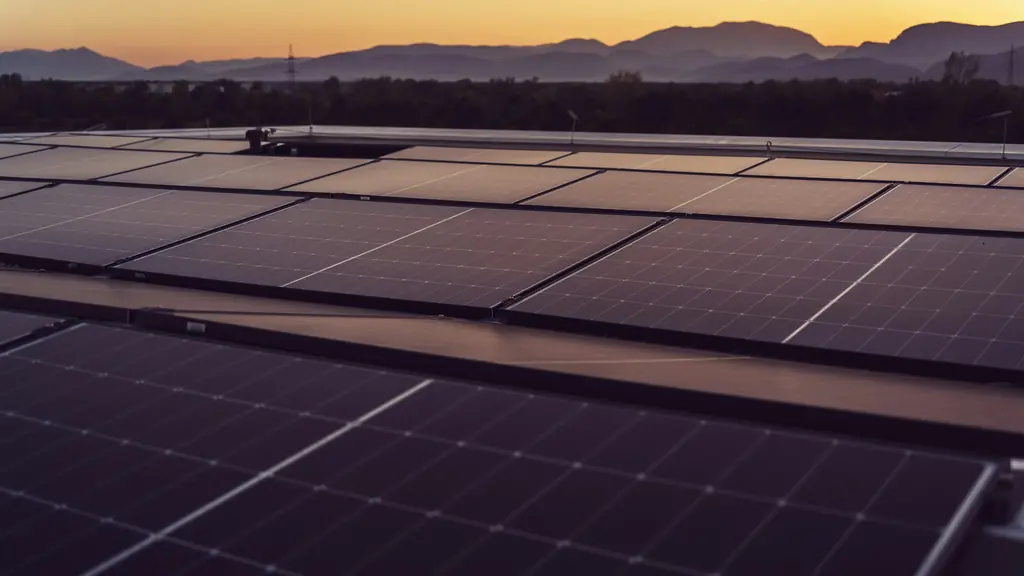
A solar power purchase agreement (PPA) is a contract where a solar provider installs, owns and maintains a solar system on your premises, and you buy the power it produces at an agreed rate per kilowatt-hour (kWh). You get solar power on site without spending capital on the system itself.
The term "PPA" is also used for large off-site deals, where a business buys power from a distant wind or solar farm through the grid. This guide is about the on-site kind: panels on your own roof, carport or land.
How it works, step by step
- Assessment. We look at your bills or interval data, your roof and your operating hours, to see whether solar makes sense on your site.
- Proposal. If it does, you get a proposal setting out the system design, the rate per kWh, the length of the agreement and the key terms.
- Agreement. Once you're happy, you sign the PPA. If you lease your premises, the landlord usually needs to consent to the installation.
- Installation. We handle the design, network approval, installation and commissioning. You don't pay for any of it upfront.
- Operation. The system's output is metered. Each billing period, you pay the agreed rate for the solar energy your business uses. We monitor and maintain the system for the life of the agreement.
Do we still need an electricity retailer?
Yes. The solar system covers part of your usage during daylight hours. Your existing retailer still supplies everything else, including night-time use and cloudy days. Most businesses end up with two bills: a smaller one from their retailer and one for the solar energy used under the PPA.
Why a business would choose a PPA
- No upfront capital. Cash stays in the business for stock, staff or equipment.
- Pay only for what you use. You pay for metered solar energy, not for panels.
- Maintenance is our problem. Because we own the system, we have every reason to keep it running well.
- Predictable pricing. The PPA rate and any escalation are set out in the agreement, so you know what the solar portion of your power will cost.
When buying outright is better
A PPA isn't always the best deal. If your business has the capital (or access to cheap finance) and plans to stay on the site for the long term, buying the system outright usually delivers bigger savings over its life, because you keep all of the value rather than paying a provider's rate. Ownership also means you may be eligible for incentives and tax treatment that apply to the system owner. We're happy to quote both ways so you can compare. See our commercial solar page for the purchase option.
Who a PPA suits
PPAs tend to work best for businesses that:
- use a good amount of power during daylight hours (warehouses, factories, cold storage, retail, offices, schools, clubs);
- have a suitable roof, carport or ground area with reasonable sun;
- expect to stay at the site for the length of the agreement, or own the building; and
- prefer an operating expense to a capital purchase.
If your usage is mostly at night, or you're likely to move in a couple of years, a PPA is harder to make work.
What to look for in the agreement
- The rate and escalation. Is the rate per kWh fixed, or does it rise each year? By how much?
- Term. How long is the agreement, and what are the early termination terms?
- Performance. What happens if the system produces less than expected, or is offline? With an on-site PPA you generally only pay for energy that's metered and used.
- Moving or selling. What happens if you relocate or sell the property? This should be spelled out before you sign.
- End of term. Options may include buying the system, extending the agreement, or having it removed.
- Roof works. Who pays if panels have to come off for roof repairs?
- Batteries. Can battery storage be included or added later? Sometimes a battery improves the numbers by shifting solar into peak periods or reducing demand charges.
For what the bills look like each month and a checklist of contract terms, see How a business solar PPA works, month to month.
Accounting and tax
Because the provider owns the system, PPA payments are often treated as an operating expense. Accounting treatment depends on the specific contract and the standards that apply to your business, so please confirm with your accountant before you sign.
Incentives for business batteries in NSW
If battery storage is part of the plan, NSW has introduced a Batteries for businesses incentive (available from 1 September 2026) under the Peak Demand Reduction Scheme, for eligible non-residential batteries. Eligibility, product and installer requirements apply. Amounts change, so anything that applies is confirmed in your proposal.
Is your site a good fit for a PPA?
Send us a recent bill. We'll tell you whether your site suits a PPA, a purchase, or both, and put it in a clear written proposal.
More guides: How a business solar PPA works, month to month · Solar for strata and commercial roofs · Is a home battery worth it in NSW? · How big a solar system do I need? · Our business PPAs
Incentive details checked against official NSW Government sources on 22 October 2026. General information only, not financial, legal or tax advice.